


Sustainability
Sustainability at Afri Invest involves a commitment to long-term environmental, social, and economic stewardship. Here’s a comprehensive look at how Afri Invest can approach sustainability:
1. Environmental Sustainability
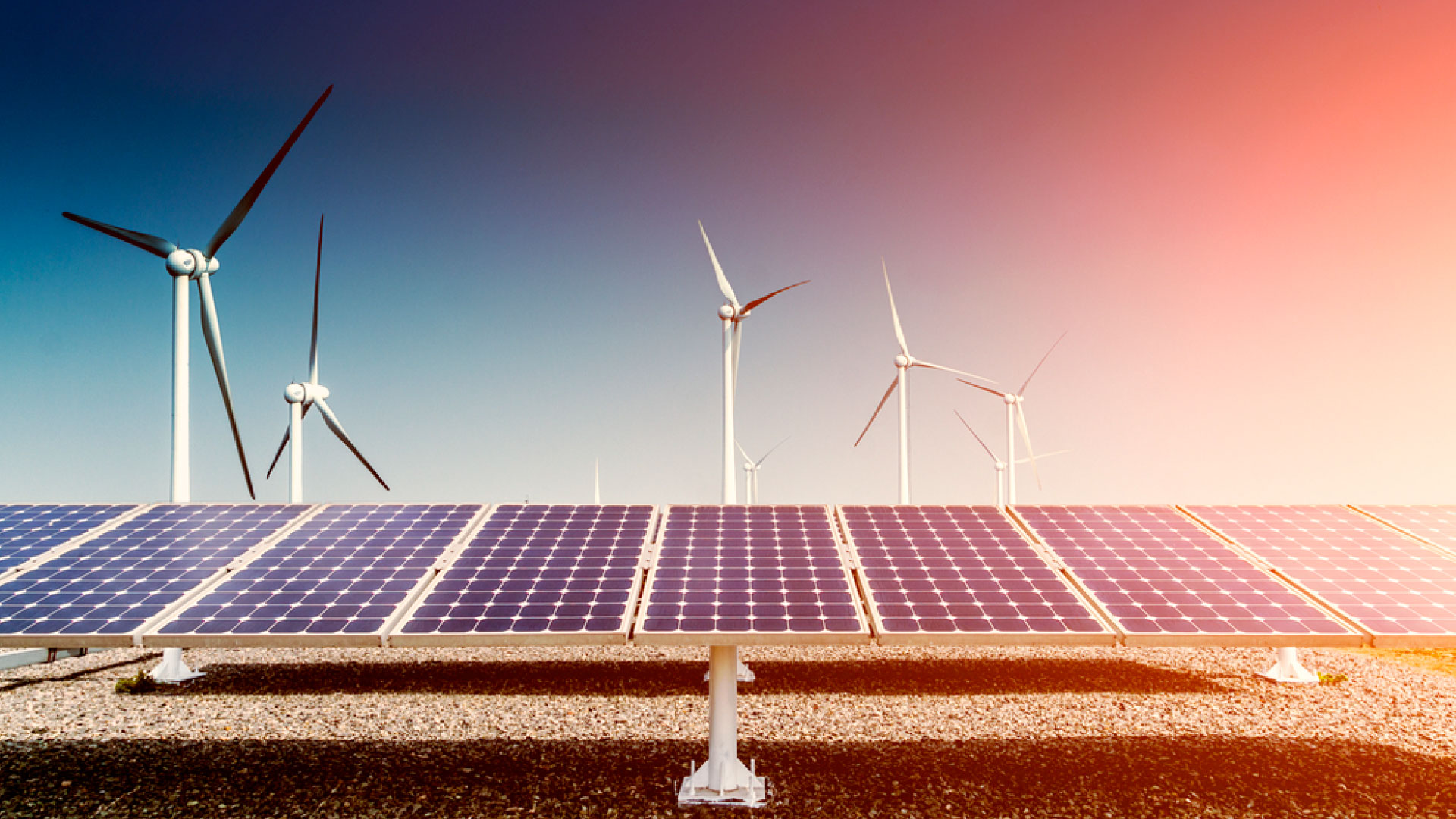
1.1. Renewable Energy Integration Afri Invest is committed to advancing renewable energy projects such as solar, wind, geothermal, and waste-to-energy. By investing in clean energy sources, the company reduces reliance on fossil fuels, lowers carbon emissions, and supports the transition to a sustainable energy future.
1.2. Resource Efficiency and Waste Management The company emphasizes the efficient use of resources and responsible waste management across its projects. This includes implementing energy-saving technologies, recycling materials, and minimizing waste production. In mining, for example, Afri Invest adopts practices to reduce environmental impact and ensure proper land reclamation.
1.3. Sustainable Infrastructure Development In projects like Datacity, Afri Invest focuses on green building practices and energy-efficient technologies. This includes the use of renewable energy sources, advanced cooling systems, and sustainable construction materials, all aimed at reducing the environmental footprint of its infrastructure.
2. Social Sustainability
2.1. Community Engagement and Development Afri Invest prioritizes positive impacts on local communities. This includes investing in community health initiatives, supporting local education and workforce development, and engaging with stakeholders to address social needs and concerns. By fostering strong community relationships, the company enhances social well-being and contributes to sustainable development.
2.2. Fair Labor Practices and Workforce Development The company is committed to ethical labor practices and investing in workforce development. This includes providing fair wages, safe working conditions, and opportunities for professional growth. Afri Invest also supports training programs and skill development to build a skilled and knowledgeable workforce.
2.3. Health and Safety Standards Ensuring the health and safety of employees, contractors, and communities is a core aspect of Afri Invest’s social sustainability. The company adheres to strict health and safety standards across all projects, implements rigorous safety protocols, and promotes a culture of safety and well-being.
3. Economic Sustainability
3.1. Long-Term Value Creation Afri Invest focuses on creating long-term economic value through strategic investments in high-impact sectors. This includes driving growth in renewable energy, technology, and infrastructure, which contributes to economic development, job creation, and enhanced productivity.
3.2. Sustainable Business Practices The company integrates sustainability into its business practices by optimizing operations, reducing costs, and enhancing efficiency. This involves adopting innovative technologies, streamlining processes, and focusing on projects that offer both financial and environmental benefits.
3.3. Risk Management and Resilience Afri Invest is committed to managing risks and building resilience across its projects. This includes assessing environmental and social risks, implementing mitigation strategies, and adapting to changing conditions. By proactively addressing potential challenges, the company ensures the sustainability and success of its investments.
4. Governance and Transparency
4.1. Ethical Governance Afri Invest maintains high standards of ethical governance and transparency. This includes adhering to regulatory requirements, implementing robust compliance programs, and ensuring transparent reporting of sustainability performance and impacts.
4.2. Stakeholder Engagement Engaging with stakeholders, including investors, communities, and regulatory bodies, is crucial for sustainability. Afri Invest actively seeks input and feedback from stakeholders, ensuring that their perspectives are considered in decision-making and sustainability strategies.
4.3. Continuous Improvement The company is committed to continuous improvement in its sustainability practices. This involves regularly assessing performance, setting new goals, and adopting best practices to enhance environmental, social, and economic outcomes.
